tenant improvement renovation
Tenant Improvement Allowance: What It Covers and Questions to Ask Your Landlord
A tenant improvement allowance is landlord-funded money for your build-out—but it has limits. Learn what TI typically covers, what it doesn't, and the questions to ask before you
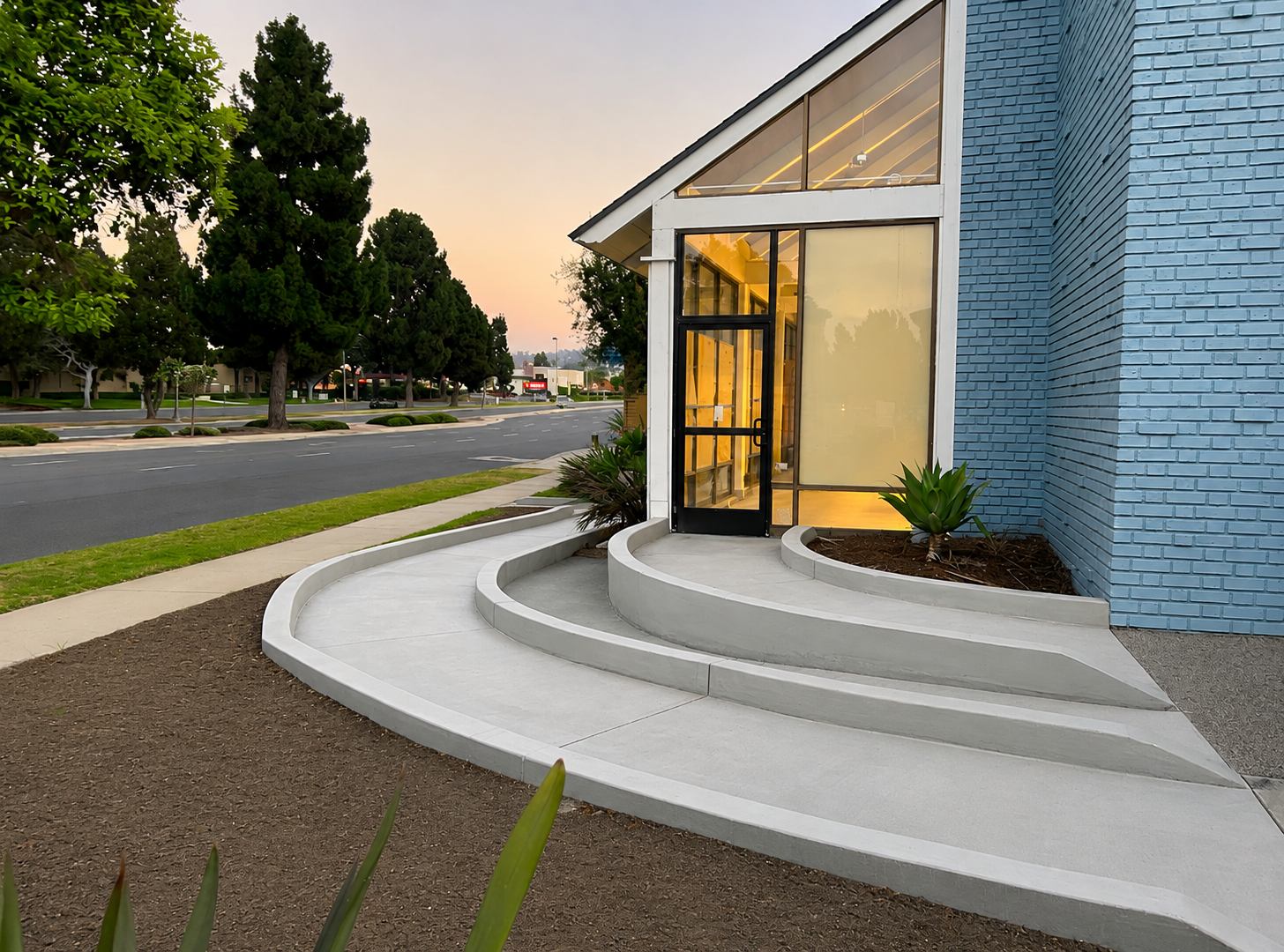
A tenant improvement allowance (TI allowance) is a dollar amount your landlord agrees to contribute toward the cost of building out or renovating a commercial space to suit your business. It sounds straightforward, but the details buried in a lease—what's included, how reimbursement works, and what happens if you go over budget—can make or break a project. Understanding how TI allowances work before you sign protects your timeline and your bottom line.
What Is a Tenant Improvement Allowance?
A TI allowance is a landlord concession negotiated as part of a commercial lease. It is typically expressed as a per-square-foot dollar amount—for example, $40 per square foot on a 3,000-square-foot space equals $120,000 in available funds. The landlord either pays contractors directly or reimburses the tenant after work is completed and receipts are submitted. Some leases combine both methods depending on the phase of construction.
TI allowances exist because landlords benefit from having a finished, occupied space. A well-built-out suite attracts creditworthy tenants, supports higher rents, and increases property value. For tenants, the allowance reduces the upfront capital required to open or relocate a business.
If you are exploring tenant improvement construction services, understanding the allowance structure helps you scope work realistically from day one.
What a Tenant Improvement Allowance Typically Covers
While every lease is different, most TI allowances are intended to fund permanent improvements to the base building. Common covered items include:
- Demolition and framing — removing existing walls and building new partition layouts
- Mechanical, electrical, and plumbing (MEP) — HVAC modifications, panel upgrades, new plumbing runs
- Flooring — concrete prep, tile, LVP, carpet, or specialty flooring
- Ceilings — drop ceilings, drywall ceilings, and acoustic treatments
- Interior doors and hardware
- Restroom build-outs or upgrades, including ADA-compliant fixtures
- Painting of interior walls
- Permits and plan check fees — often covered, but confirm in writing
Medical, veterinary, and specialty-use tenants often require more complex MEP work, additional plumbing runs, or specialized ventilation. Projects like the Arlanza Family Health Center renovation in Riverside and the Bixby Torrance Veterinary Facility improvement in Torrance illustrate how specialized build-outs can demand more from a TI budget than a standard office finish-out.
What a Tenant Improvement Allowance Usually Does Not Cover
Landlords typically exclude items they view as tenant-owned property or as costs outside the scope of the base building. Common exclusions include:
- Furniture, fixtures, and equipment (FF&E) — workstations, exam tables, reception furniture, and medical or veterinary equipment are almost always tenant expenses
- Low-voltage and data cabling — phone systems, structured cabling, and security cameras are frequently excluded or capped
- Signage — exterior and interior signage is usually a tenant cost
- Moving costs
- Soft costs above a set cap — architect and engineering fees may be partially covered but often only up to a stated limit
- Tenant-owned trade fixtures — millwork, cabinetry, and specialty shelving that could be removed at lease end
If your business relies on specialty equipment or custom millwork—think a restaurant hood system, a veterinary surgery suite, or a cannabis dispensary's security infrastructure—budget those items separately and do not assume the TI allowance will absorb them.
How TI Allowance Reimbursement Works in Practice
There are three common payment structures you will encounter in lease negotiations:
Landlord-Managed Build-Out
The landlord hires and pays the contractor directly. You have less control over contractor selection and scheduling, which can slow a project down or limit your ability to use a contractor familiar with your specific business type.
Tenant-Managed Build-Out with Reimbursement
You hire and pay the contractor, then submit invoices for reimbursement up to the stated allowance cap. This gives you more control but requires upfront capital and careful documentation. Reimbursement is typically tied to completion milestones, certificate of occupancy issuance, or both.
Rent Abatement in Lieu of TI
Some landlords offer free rent months instead of a cash allowance. This can work if your build-out costs are lower, but it provides no actual construction funds—only time during which you are not paying rent.
Knowing which structure your lease uses helps you plan cash flow and engage a contractor at the right moment. For a detailed look at contractor timing, see our guide on how early to hire a general contractor before a commercial build-out.
Key Questions to Ask Your Landlord Before Signing
Use this list during lease negotiations. The answers will shape your construction budget and timeline.
Allowance Amount and Scope
- What is the exact per-square-foot TI allowance, and does it apply to the entire rentable area or only the usable area?
- Which specific line items are eligible for reimbursement? Is there a written list of exclusions?
- Are permit and plan check fees included in the allowance, or are they over and above?
Process and Approval
- Does the landlord need to approve the contractor, the architect, or the construction drawings before work begins?
- What documentation is required to receive reimbursement—lien waivers, invoices, photos, or a final inspection sign-off?
- How long after submitting documentation does the landlord have to issue payment?
Overages and Unused Funds
- If construction costs exceed the allowance, who is responsible for the overage, and is there any mechanism to increase the allowance?
- If the final cost comes in under the allowance, can unused funds be applied to rent or other tenant expenses?
Timeline and Commencement
- When does rent commencement begin—upon lease execution, upon permit issuance, or upon substantial completion of construction?
- Is there a deadline by which TI funds must be drawn down or they expire?
Getting these answers in writing—not just in conversation—is essential. Lease language controls, and vague terms tend to resolve in the landlord's favor during disputes.
How to Make the Most of Your TI Budget
A tenant improvement allowance is most effective when you enter negotiations with a realistic scope of work in hand. Before you agree to a per-square-foot number, get a preliminary budget estimate from a qualified contractor based on your actual program needs. This prevents you from accepting an allowance that sounds generous but falls well short of your real build-out cost.
Prioritize permanent, code-required work in your TI-funded scope—MEP systems, accessible restrooms, fire-life-safety upgrades—and plan to self-fund tenant-specific equipment and finishes. That division of costs is typically most defensible to a landlord and most predictable for your own budget.
SE Builders has completed tenant improvement projects across Southern California spanning office, medical, veterinary, industrial, and retail uses—from the Athens Office renovation in Downey to the Animal Dermatology Group veterinary improvement in Long Beach. Reviewing completed projects in your industry can help calibrate expectations for scope and budget before you negotiate your lease.
Sources
References and further reading
- Tenant Improvement Allowance Explained — NAIOP Commercial Real Estate Development Association
- Commercial Lease Guide: Tenant Improvement Allowances — U.S. Small Business Administration
- What Is a Tenant Improvement Allowance? — CoStar / LoopNet
- ADA Standards for Accessible Design — U.S. Department of Justice
- California Building Code — California Building Standards Commission
Frequently Asked Questions
Planning your construction project
Is a tenant improvement allowance taxable income for the tenant?+
Generally, tenant improvement allowances used for qualifying build-out costs are not included in the tenant's gross income under IRS rules, provided the improvements become property of the landlord at the end of the lease. However, if unused allowance funds are paid to the tenant as cash or applied to non-construction expenses, the tax treatment may differ. Tenants should consult a tax professional for guidance specific to their situation.
What happens to tenant improvements at the end of a commercial lease?+
Permanent improvements funded by a TI allowance typically remain with the building and become the landlord's property at lease end. Some leases include a restoration clause requiring the tenant to remove specialty improvements—such as custom millwork, medical gas lines, or non-standard plumbing—and return the space to its original condition. Always review restoration obligations before signing, as these costs can be substantial.
Can I negotiate a higher TI allowance?+
Yes. TI allowances are negotiable, and landlords often have more flexibility in a soft leasing market or if you are signing a longer lease term. Coming to negotiations with a detailed, contractor-backed scope of work strengthens your position because it demonstrates that your request is grounded in real costs rather than a general ask for more money.
What is the difference between a TI allowance and a turnkey build-out?+
A TI allowance gives you a set dollar amount to spend on construction, with the tenant managing overage risk. A turnkey build-out means the landlord commits to delivering the space in a finished, move-in-ready condition based on an agreed-upon set of plans. In a turnkey arrangement, the landlord absorbs cost overages—but the tenant typically has less flexibility to customize finishes and specifications.
How long does it take to complete a tenant improvement build-out?+
Build-out timelines vary significantly by project complexity, permit jurisdiction, and contractor scheduling. Simple office refreshes may take six to ten weeks. More complex medical, veterinary, or restaurant build-outs often require four to eight months from permit submission through certificate of occupancy. Engaging a contractor early in the lease process—ideally before you sign—helps you set a realistic rent commencement date with your landlord.
Does the TI allowance cover architect and engineering fees?+
It depends on the lease. Many landlords allow a portion of the TI allowance to cover design and engineering fees, often up to a stated cap such as a percentage of total construction cost. Others require that the full allowance be applied only to hard construction costs. Clarify this in writing before engaging a design professional, since design fees on a complex build-out can represent a meaningful share of the overall budget.
tenant improvement renovation
Have Questions About Your TI Budget or Build-Out Scope?
If you're navigating a commercial lease and want a clearer picture of what your tenant improvement allowance can realistically fund, our team is happy to talk through your project. A brief conversation can help you enter lease negotiations with accurate numbers and realistic expectations.
Keep Reading