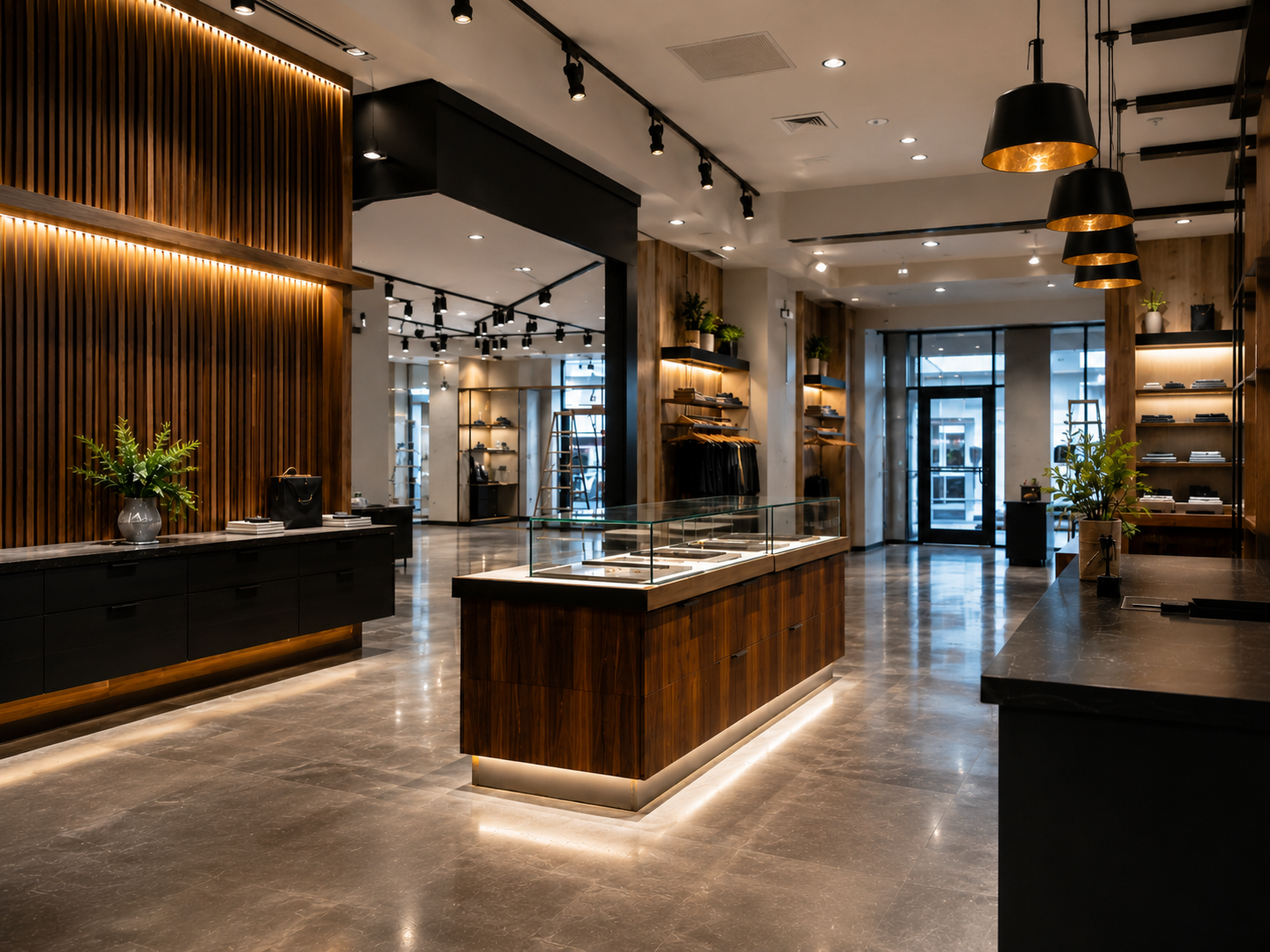
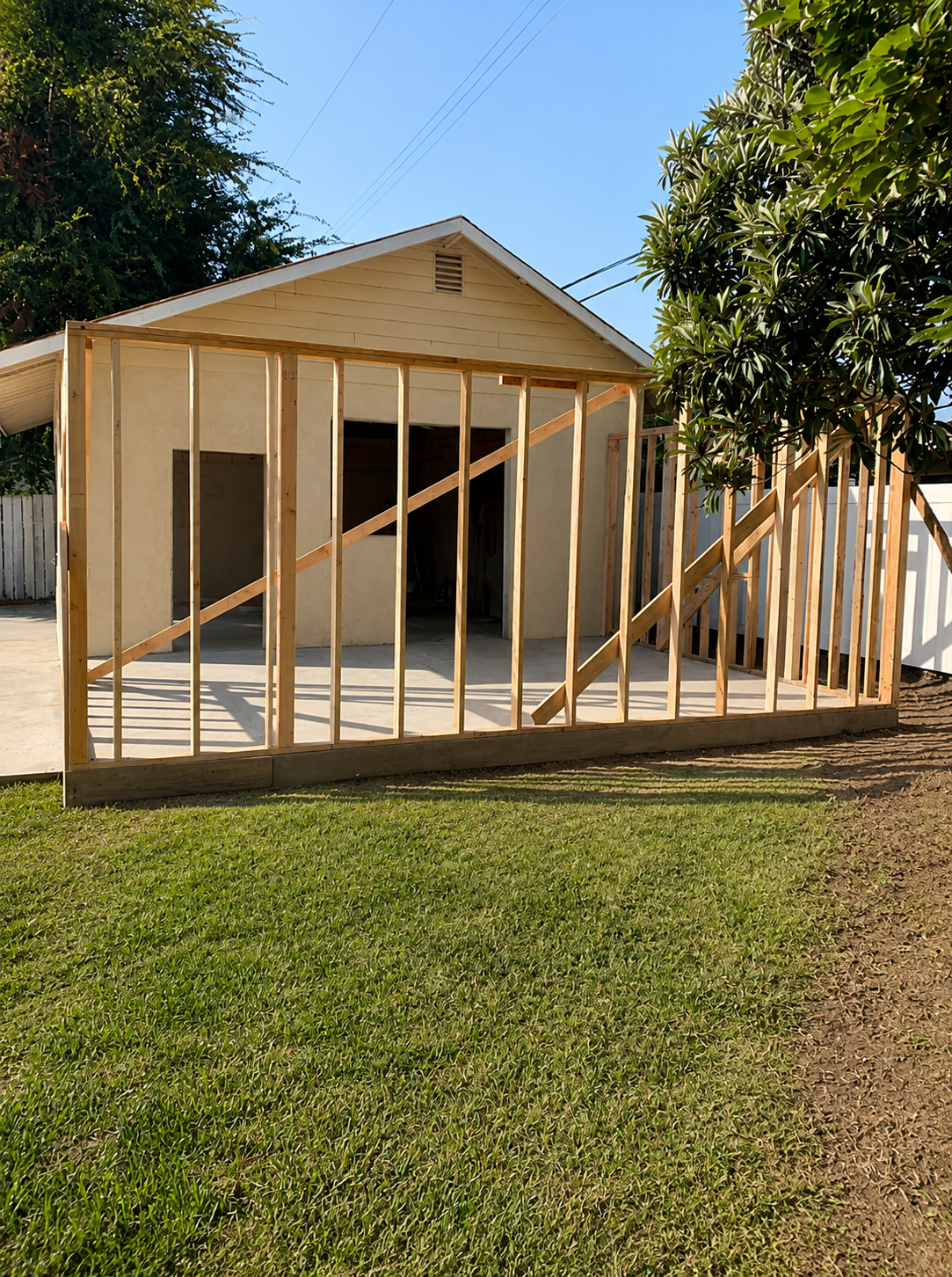
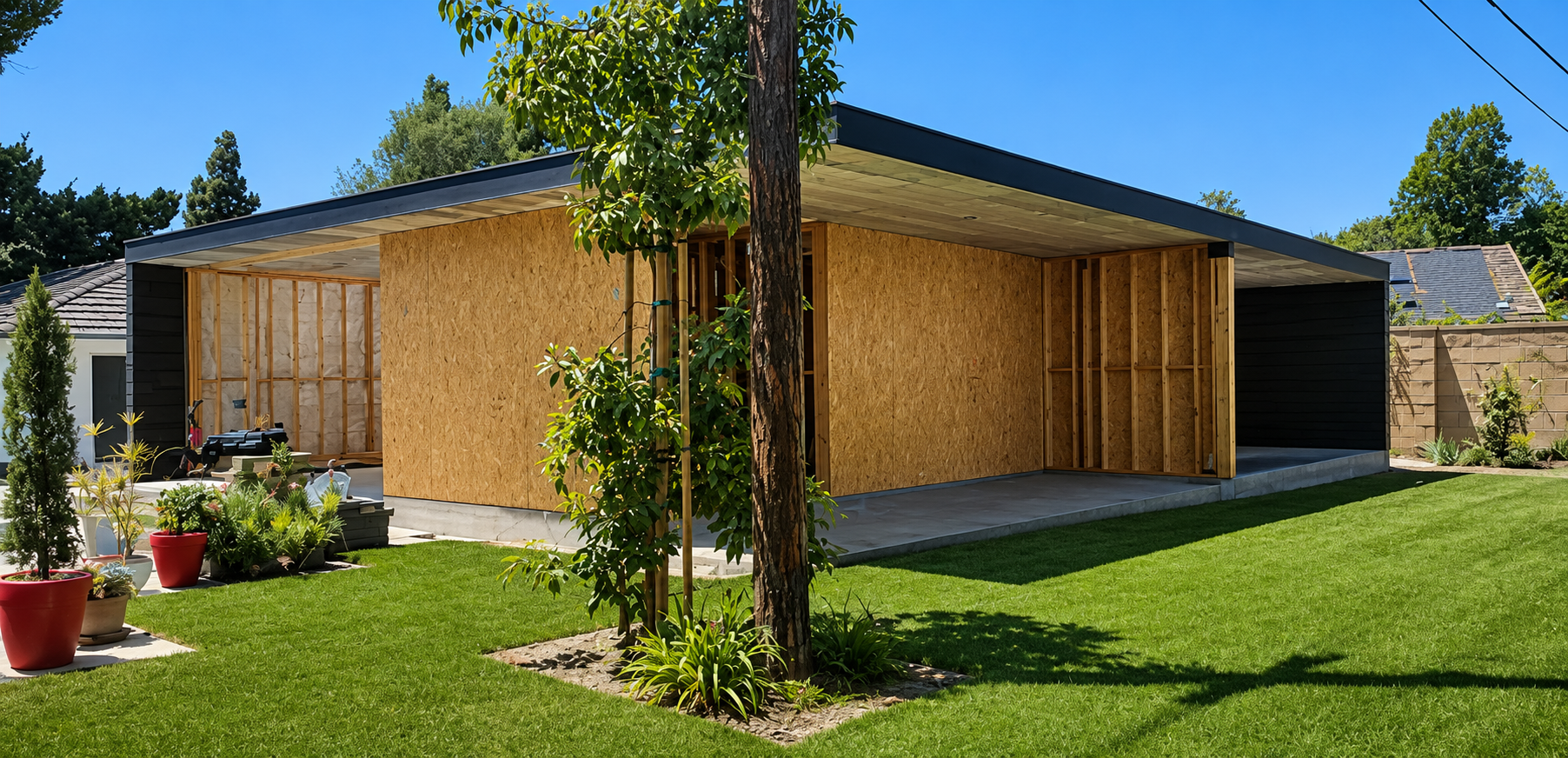
For most commercial build-outs, you should hire a general contractor three to six months before you want construction to begin—and for complex projects like medical offices or full restaurant conversions, six months is the safer target. That lead time isn't padding; it's the working runway a GC needs to influence design, pull permits, lock in subcontractors, and keep your move-in date from slipping.
Why Timing Matters More Than Most Tenants Realize
Many business owners treat the general contractor as the last hire—someone who shows up after the lease is signed, the architect has drawn plans, and the budget is set. That sequence routinely produces cost overruns and schedule delays, because a GC brought in late has no opportunity to flag constructability problems, challenge over-specified finishes, or align subcontractor schedules before the permit clock starts running.
In Southern California, commercial building permits for tenant improvements can take anywhere from four to sixteen weeks depending on the jurisdiction and project complexity. Los Angeles City's Department of Building and Safety, for example, distinguishes between over-the-counter approvals and plan-check review cycles that can span multiple correction rounds. A commercial general contractor in Los Angeles County who has submitted permits with a specific jurisdiction knows which plan-check comments to anticipate and can instruct the architect to address them proactively—shaving weeks off the cycle before a single wall is framed.
The Recommended Hiring Timeline by Project Type
Standard Office Tenant Improvements: 3–4 Months Out
A straightforward office build-out—new demising walls, updated electrical and data, refreshed finishes—typically moves through plan check faster and carries fewer specialty subcontractor coordination requirements. Hiring a GC three to four months before your target construction start gives enough time for design coordination, permit submission, and subcontractor bidding without excessive carrying costs on the space. If you are planning an office tenant improvement in Irvine or a similar suburban market, this window is generally sufficient for projects under 10,000 square feet.
Restaurant and Retail Build-Outs: 4–5 Months Out
Food-service projects introduce hood suppression systems, grease interceptors, health department approvals, and often structural modifications for equipment loads. Each of those elements requires a specialist subcontractor with its own lead time for equipment procurement and scheduling. A restaurant tenant improvement contractor in Long Beach familiar with the local health department's plan-check process can sequence those approvals in parallel rather than in series—but only if they are engaged early enough to influence the kitchen layout before it is submitted for permit.
Medical, Dental, and Specialty Clinical Spaces: 5–6 Months Out
Highly regulated build-out types—medical offices, surgical suites, imaging rooms—carry OSHPD or local authority jurisdiction requirements, infection-control staging plans, and specialty mechanical and electrical systems that demand longer lead times for both design and permitting. For a project like an operating room build-out in Irvine, engaging the GC at the earliest stage of schematic design is standard practice and often explicitly required by the facility's regulatory pathway.
What a GC Actually Does During Pre-Construction
The months between hiring and breaking ground are not idle time. A qualified GC is actively working on your project in ways that directly protect your budget and schedule.
Constructability and Budget Reviews
Before plans are finalized, an experienced contractor walks the space, reviews preliminary drawings, and identifies conflicts between what is designed and what the existing structure allows. Catching a ceiling height problem or a mechanical chase conflict at this stage costs nothing to fix; catching it during rough-in costs both time and money.
Early Subcontractor Engagement
Qualified electrical, mechanical, plumbing, and specialty subcontractors book their crews weeks or months in advance. A GC who has established trade relationships—as SE Builders does across markets including Beverly Hills and Santa Monica—can reserve subcontractor capacity before your permit is even approved, preventing the scenario where a ready-to-build project stalls because no qualified electrician is available.
Permit Coordination
The GC works alongside your architect to prepare complete permit packages, respond to plan-check corrections, and coordinate with the building department on inspections. In jurisdictions with concurrent review processes—where building, fire, and health approvals run simultaneously—the contractor's familiarity with local protocol directly accelerates approvals.
Lease and Landlord Coordination
Commercial leases often include landlord work letters specifying what the building owner will contribute, approved contractor lists, insurance requirements, and construction rules. A GC engaged before lease execution can review those terms and flag provisions that create risk—such as restoration clauses that would require removing improvements at lease end, or unrealistic substantial-completion milestones tied to rent-commencement dates.
Signs You May Have Waited Too Long
If any of the following are already true, engage a GC immediately rather than waiting for a more convenient moment:
- Your lease has been signed and your rent-free period is running.
- Plans are in design development or further along without GC input.
- You have a firm opening date driven by a franchise agreement, equipment delivery, or marketing commitment.
- Your space requires a use change or conditional use permit from the planning department.
In each of these situations, lost pre-construction time translates directly into compressed construction schedules, which typically means premium overtime costs or a delayed opening. Contractors serving markets like Arcadia and the broader San Gabriel Valley see this pattern frequently with restaurant and retail tenants who underestimate local plan-check timelines.
How to Choose the Right GC at the Right Time
Early hiring is only valuable if you hire the right contractor. When evaluating candidates during pre-construction, prioritize demonstrated experience with your specific project type, verifiable references from tenants or landlords in similar spaces, an active contractor's license in good standing with the California Contractors State License Board, and a clear pre-construction services process—not just a construction proposal.
Request a preliminary schedule with major milestones, a preliminary budget or cost-per-square-foot estimate based on comparable projects, and a defined scope for pre-construction services so you understand what deliverables you are receiving before construction contracts are executed.